Body snatching and cemetery alarms

Recently I have come across an article about body snatching in London and an History Detectives episode that examined a cemetery alarm from the 1800s meant to prevent body snatching. Body snatching is the obtainment of human cadavers (stolen from the grave) to sell to medical schools to dissect. It has been around since the 14th century and was particularly problematic in England during the 1700s and 1800s. It was also a problem in the US. The NIH has put together an informative article on the history of body snatching for those who would like more information.

The History Detectives episode hit a little closer to home, examining an artifact that ended up being connected to grave robbery in the 1800s in Ohio. During the mid to late 1800s, medical schools would buy or steal cadavers to educate their students in gross anatomy.

In 1878, a newspaper article describes how the body of John Scott Harrison, father of future president Benjamin Harrison, was found in a medical school by his own son, who was searching for the body of a friend whose grave had been robbed. You can imagine how his son must have felt. This theft occurred despite precautions the family had taken, including hiring watchmen a d placing weights that would require many men to lift them.

As a result of this and other body snatching, people turned to explosive devices, including the one that is featured in the History Detectives episode.

How did your ancestors protect their dead during this time? Were they affected by body snatching?

Creating your own social history

About a year ago my sister suggested I put together a little photo book about my daily life and send it out to my nieces and nephews for Christmas. I live in the Boston area and aspects of my life such as taking a commuter train and subway, walking through Boston and taking elevators at home and work is so different from the lives that my nieces and nephews experience. Recently my mom was visiting one of my sisters and the book came out. My niece especially loved looking at some of the pictures.

While Bridging The Past usually focuses on learning about social history in order to better understand our ancestors, it is important for us to share our social history with our descendants. Blog posts and photo books are one way to do this. Journals and scrapbooks are other ways.  What are some ways you have found to create your own social history for those that will come after you?

Here is the post I created on my personal blog for your enjoyment:
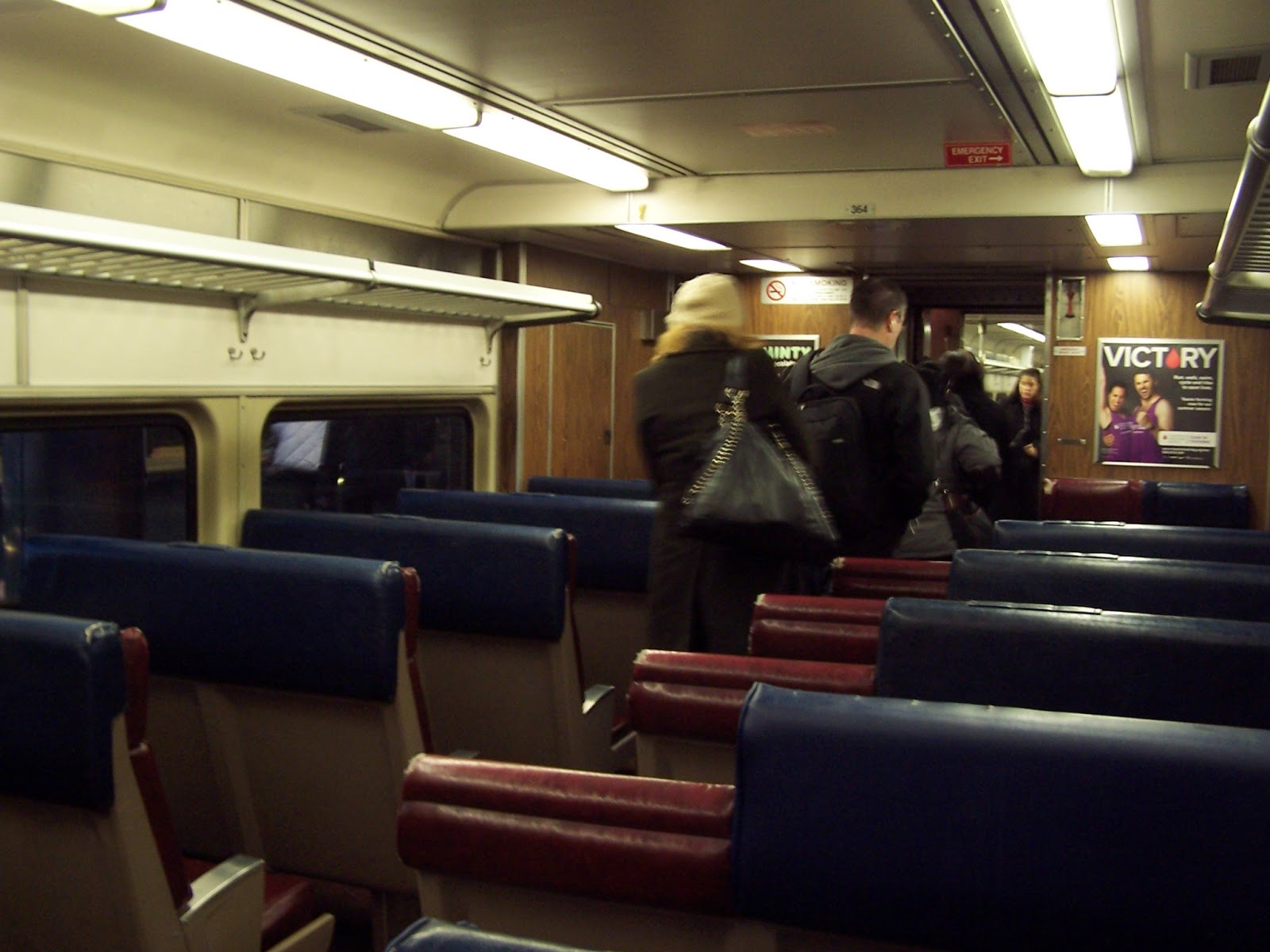
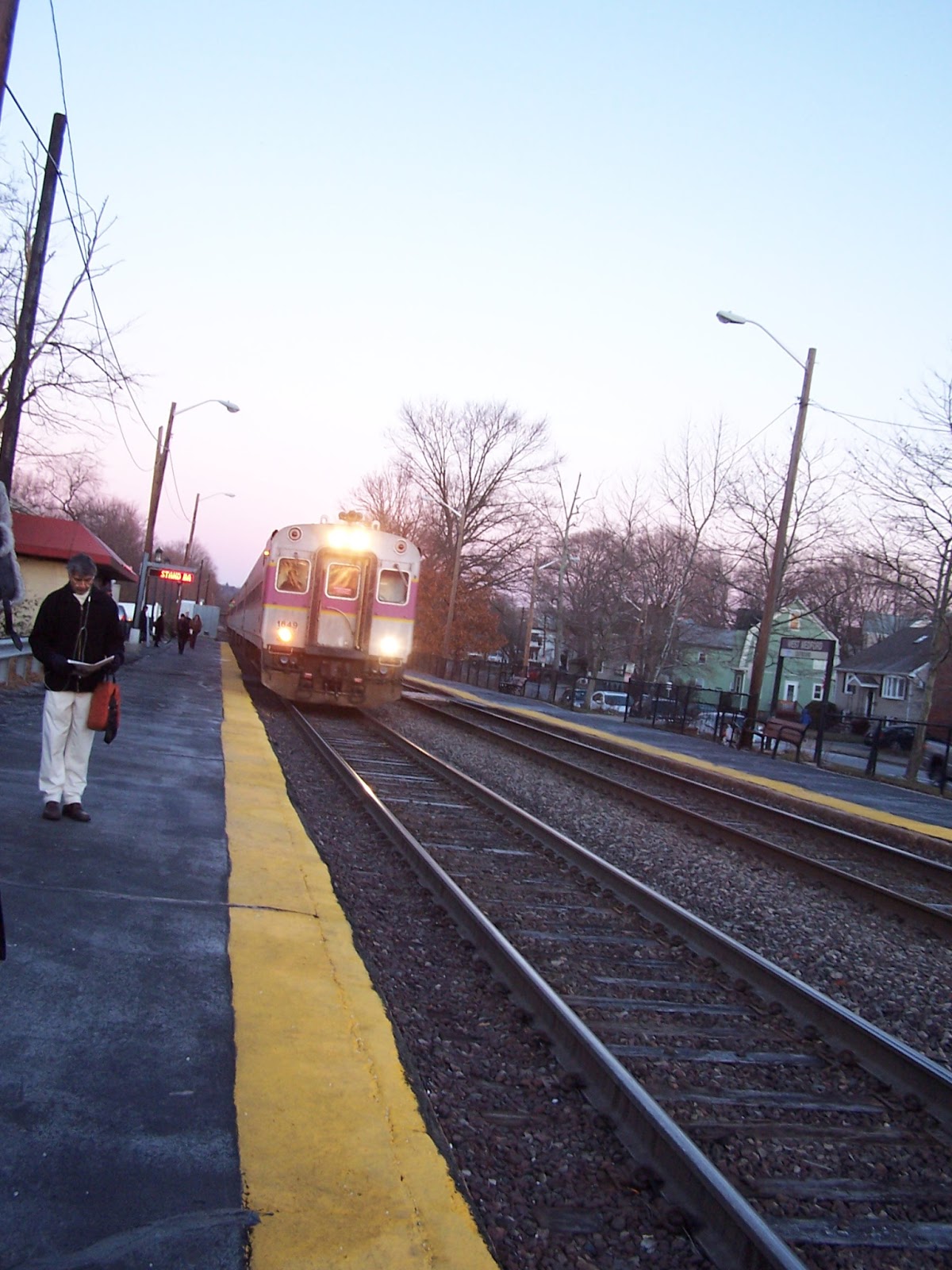
I take the commuter train into Boston. Here it comes!

Everyone getting on

I feel like I’m in a herd of animals as we all get off the train and cram onto the platform

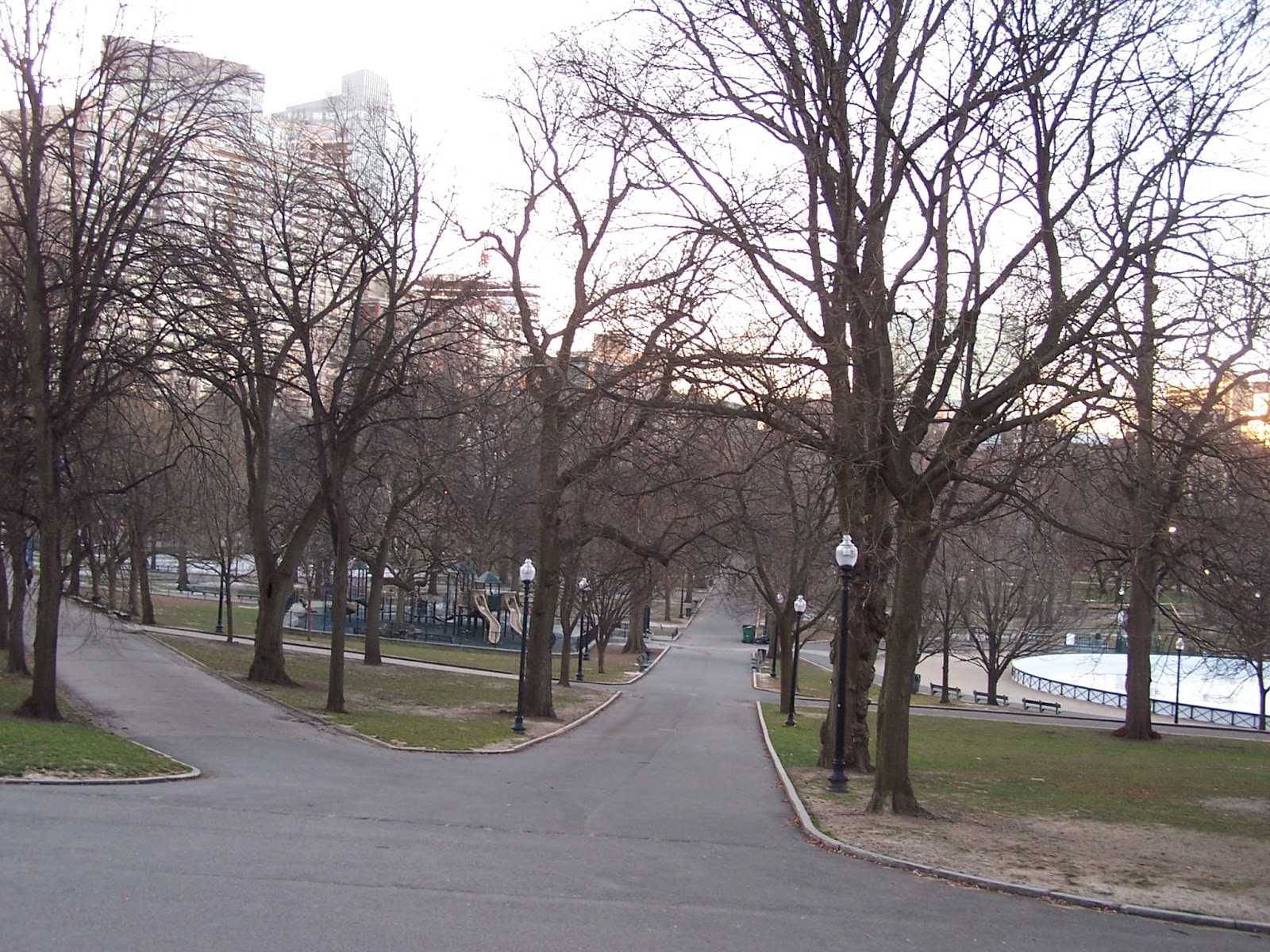
If it’s nice I will sometimes walk over Beacon Hill

and through the Boston Common

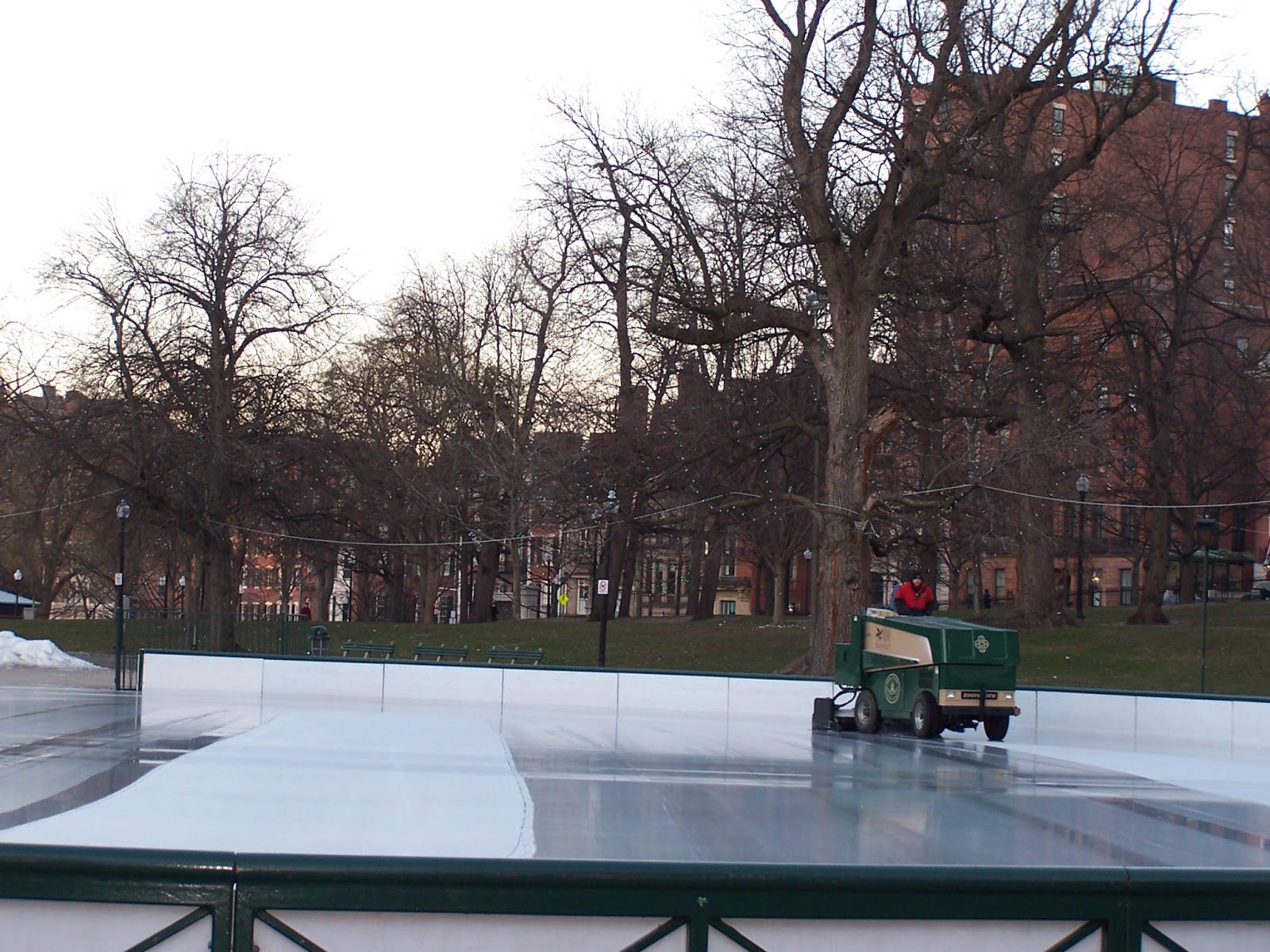
I pass the Frog Pond. In the winter it is a skating rink (see the Zamboni) and in the summer it is a wading pool.

The frogs keeping watch

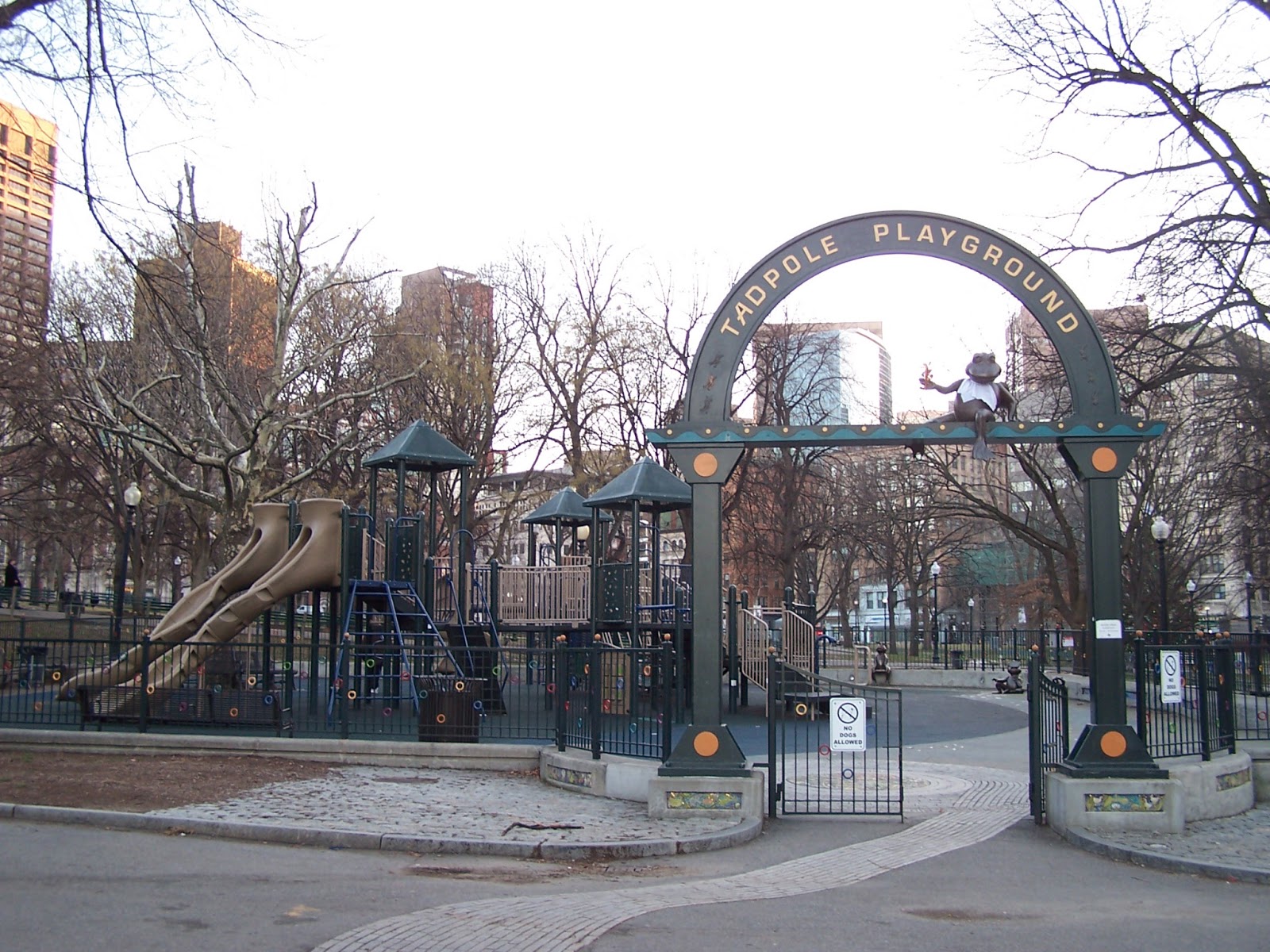
The Tadpole Playground just across from the Frog Pond. It’s fun to watch all the kids at play when it’s warm.

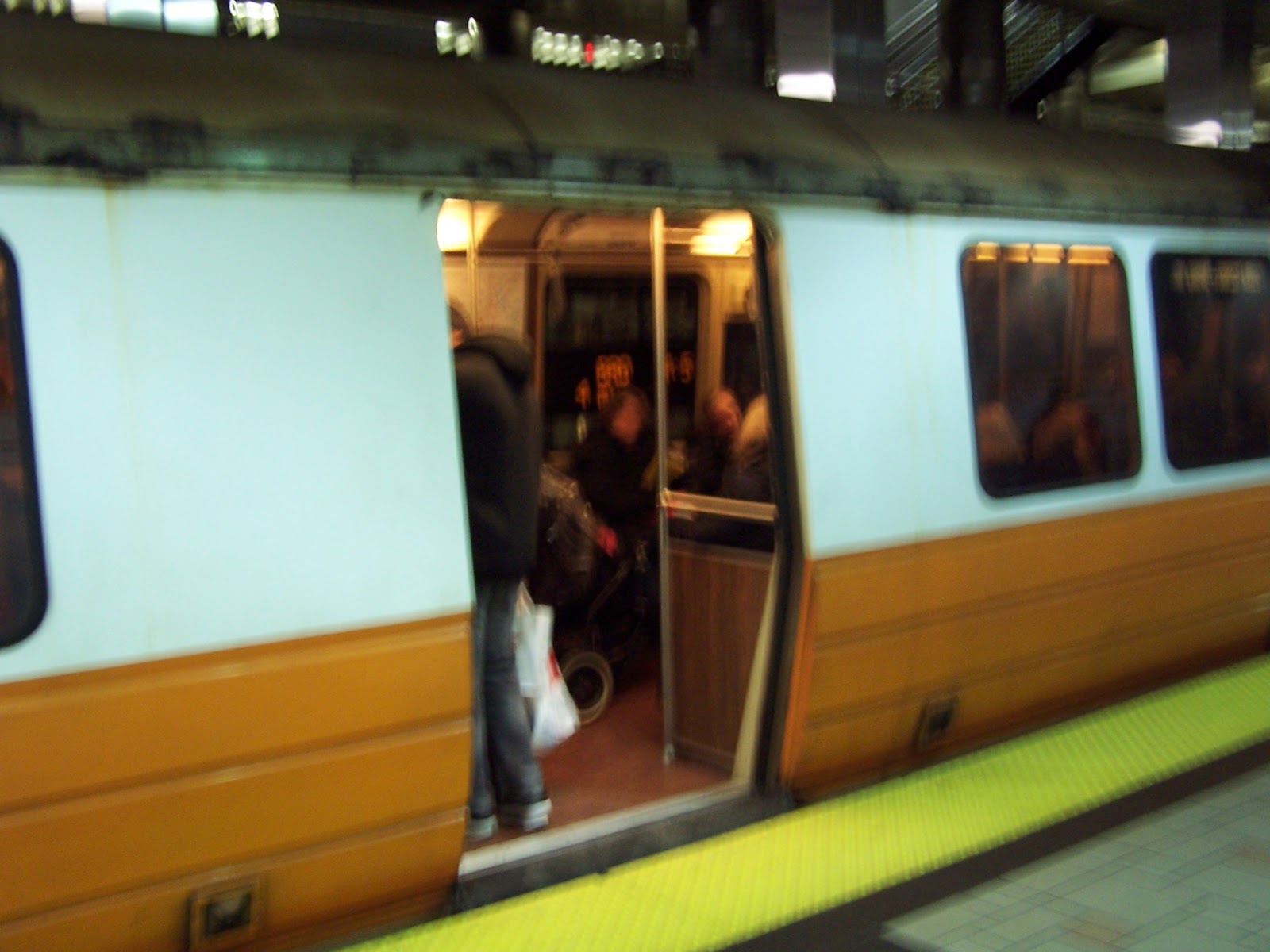
If it’s cold or rainy I’ll take the subway from where the commuter train lets me out to where I work

I spend much of my time in my office. I am a statistician and work in medical research. I work on a variety of projects with people across the hospital, the university and affiliated hospitals. I love the variety in my work (and having my own office!)

View of my office from the doorway

View of my office from behind the desk

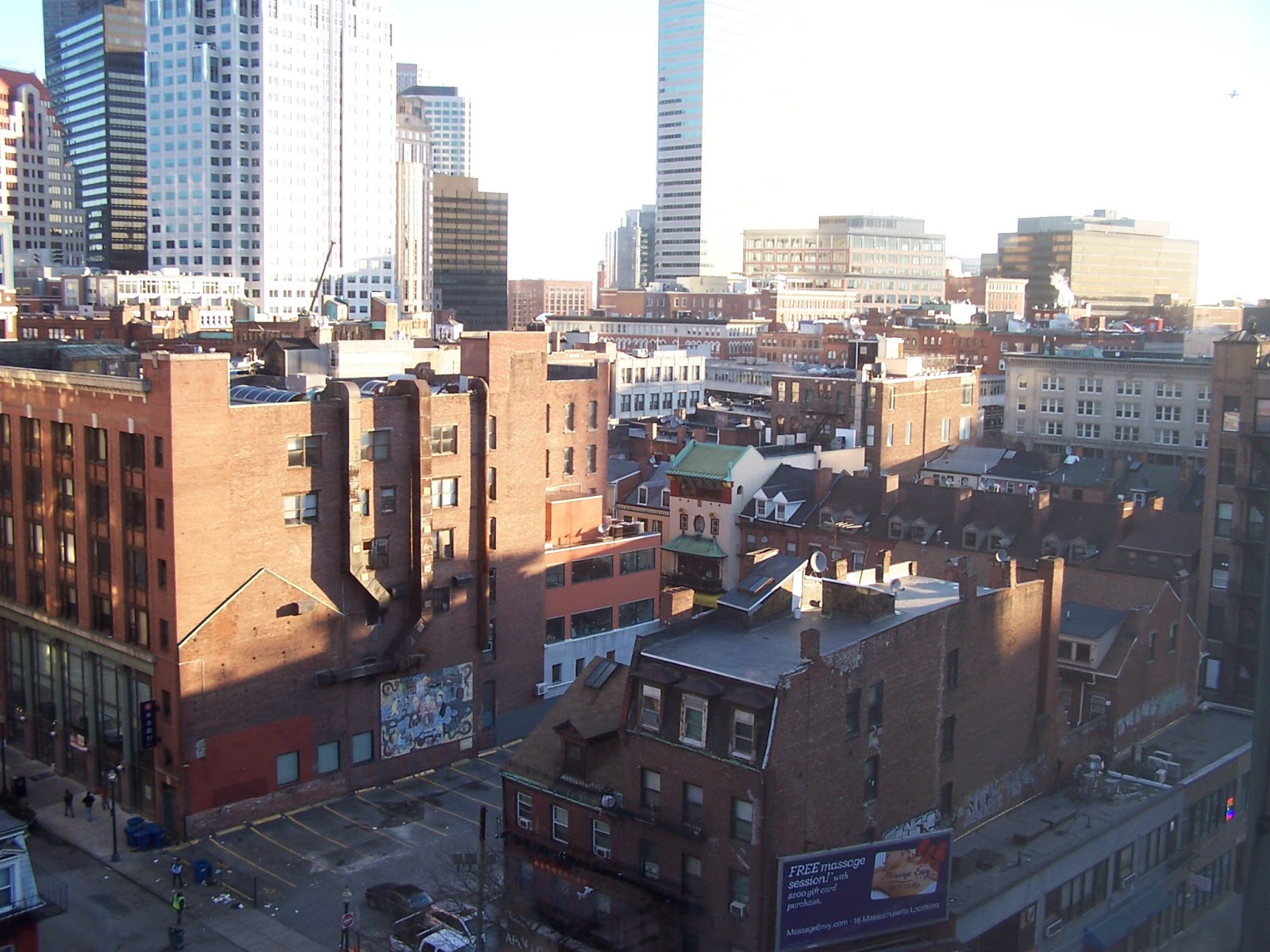
View out of the window

One of the most important places in my office is the filing cabinet that displays the artwork of my nieces and nephews

I love coming home to my condo.

A view of my condo building from the pretty side, with a duck pond and Japanese gardens. Every condo has a balcony overlooking the pond and gardens.

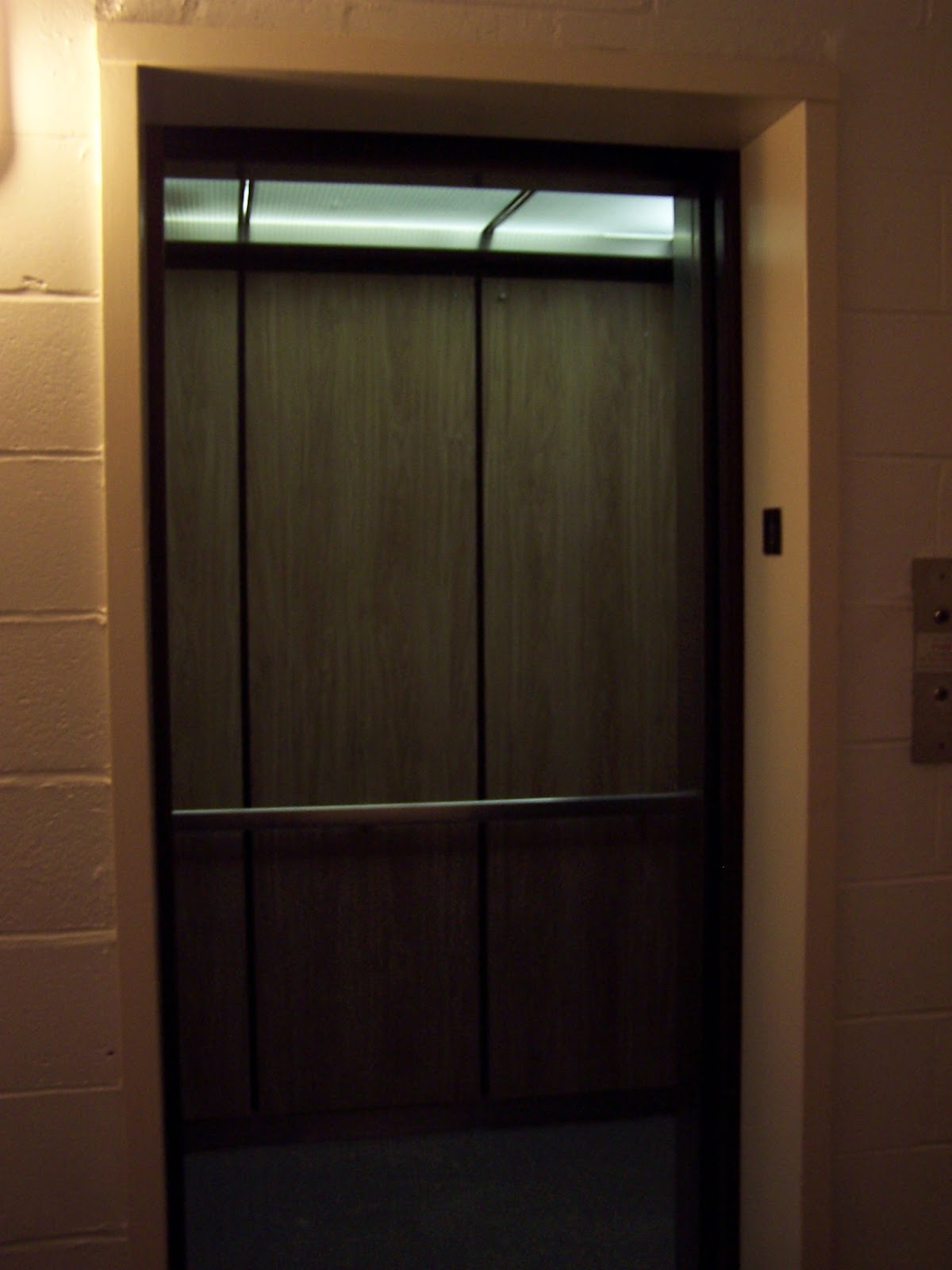
The elevator in my condo building. I bet my nieces and nephews think it’s weird that I take an elevator to get home.

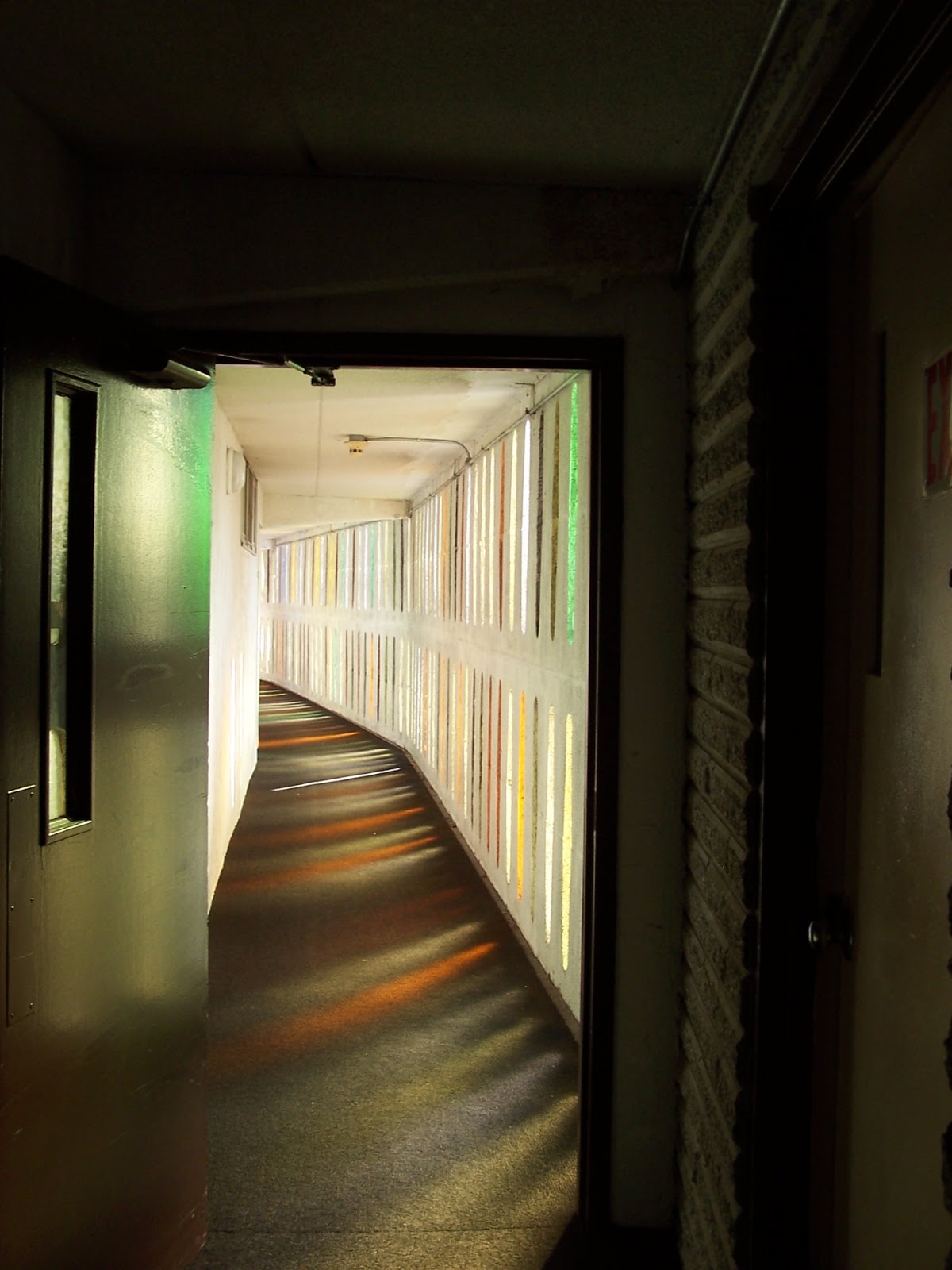
The sun coming through the colored windows in the hallway makes me happy

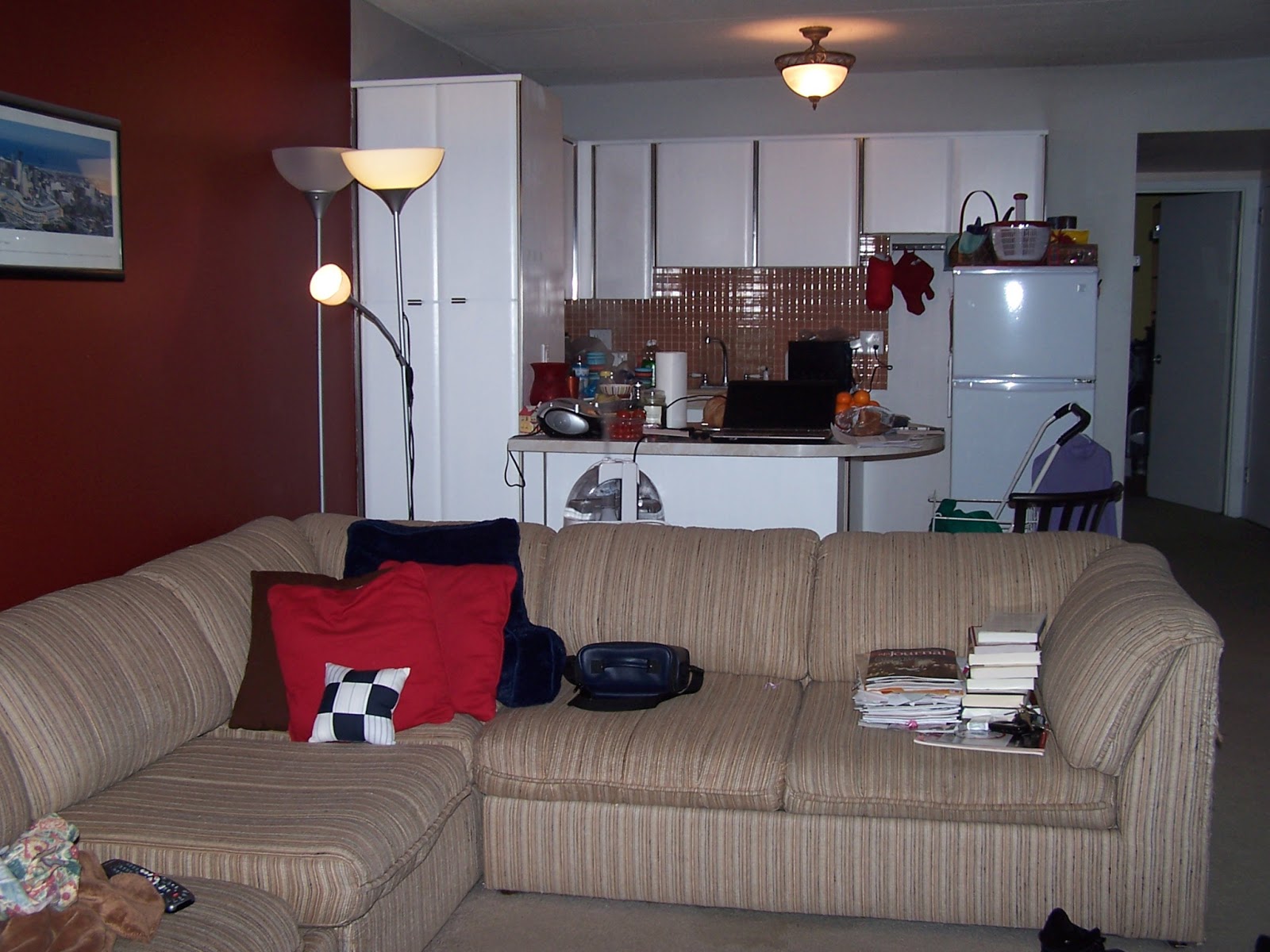
The living room is where I spend most of my time when I am home. One of the great parts of being a homeowner is that I can paint the walls and add color. I love my red accent wall. I painted the kitchen cabinets white a couple of years ago and it really brightened up the place. The other walls in the living room are beige.

At the same time I painted my bathroom walls. They are blue, not gray (a little lighter than the blue on the shower curtain). Love it!

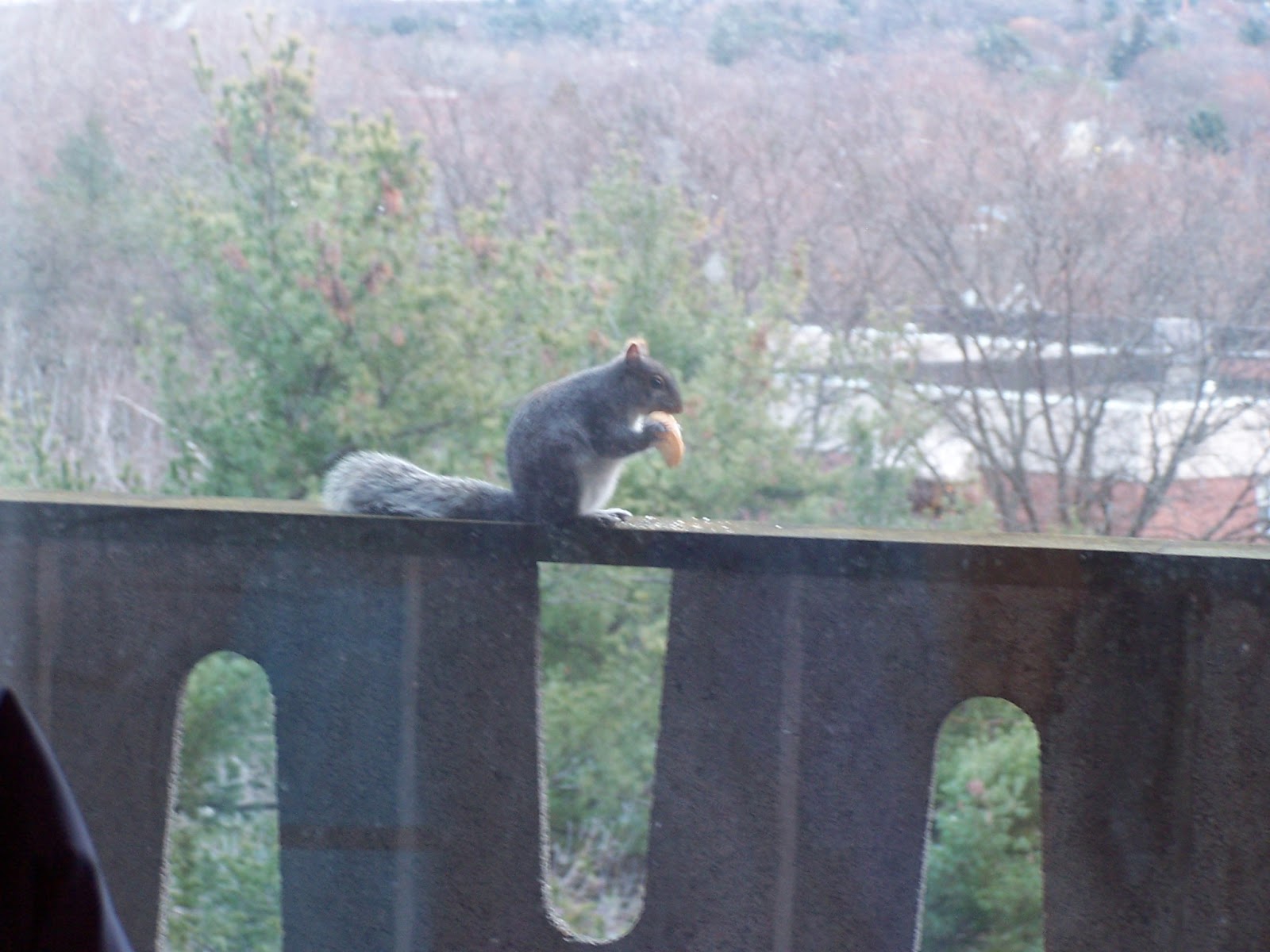
This squirrel likes to come visit me sometimes on my balcony

I am working on the Master’s in History through the Harvard Extension School. I have finished all my classwork and am now doing pre-thesis research.

Gates to Harvard

This is the building where I had many of my classes.

This is the Widener library at Harvard, where I do some of my research.

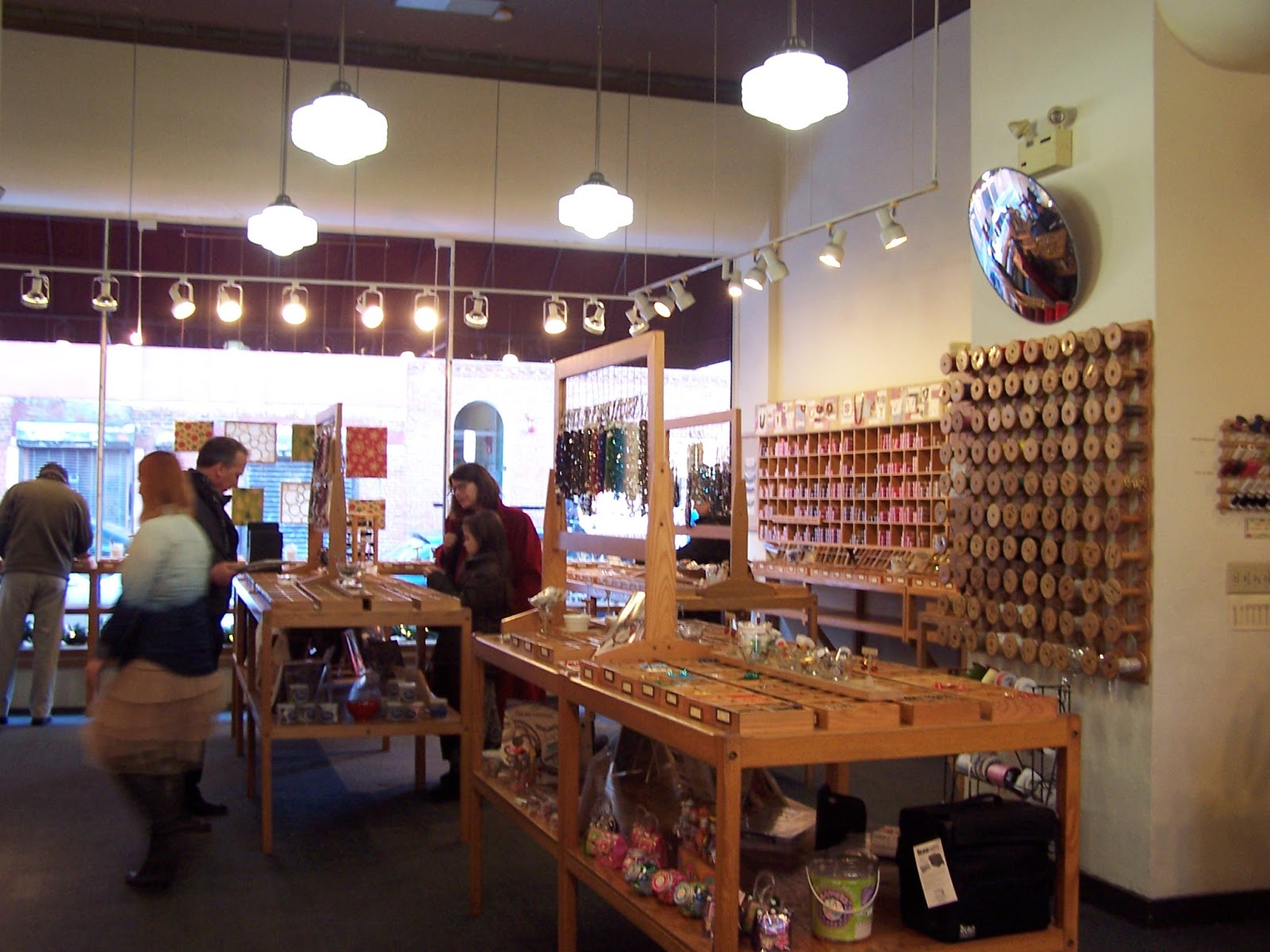
I also have a genealogy speaking business. I recently started two blogs in addition to speaking (see bridgingthepast.com). Work, school, genealogy and church responsibilities keep me pretty busy. But when I have time to spare I love to create. I make jewelry, photo cards and paper cards. This is one of my favorite beading stores–in Harvard Square. They have a huge selection of fun beads and findings.

I also love to travel. I keep a shelf in my living room with souvenirs from each place that I visit. Can you guess where these are from?

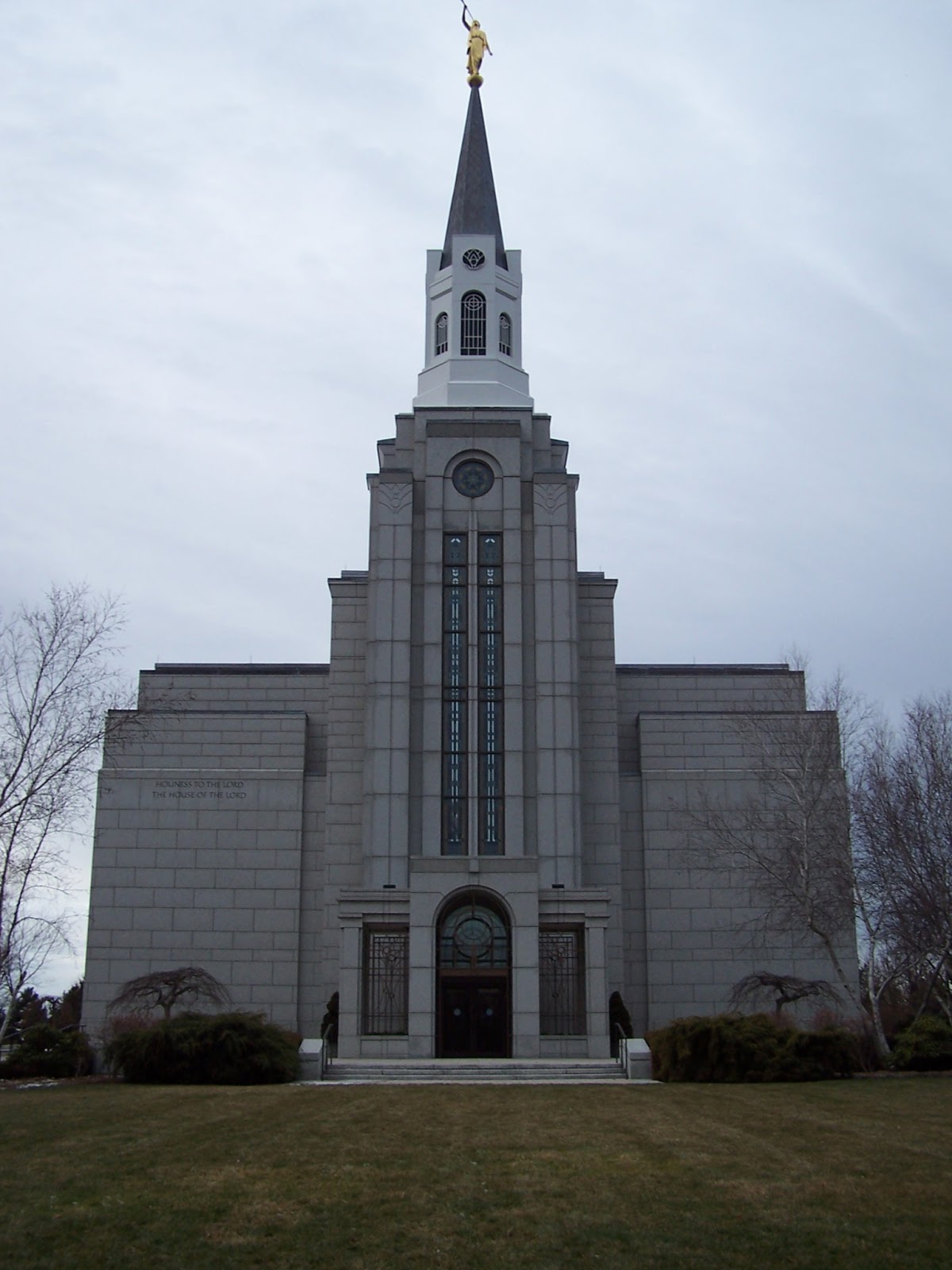
Being a Mormon is an important part of who I am (and who most of my family is). They requested a picture of the temple that I attend. We meet in a regular church building for Sunday worship. The temple is a special place that we go to during the week to worship and make sacred promises with our Heavenly Father. The temple I attend is in Belmont.

Adding Social History via Blogs

It used to be that we  couldn’t trust what we found on the internet. There are still certainly many cases where that is true, but there are now some very helpful blogs and websites out there that are well researched and documented. As my current interest is medicine in the early modern period (which was almost exactly the same as medicine in colonial New England), I have found some blogs that tie right in. They are written by experts in the field and are well documented.

Early Modern Medicine is written by Dr. Jennifer Evans, lecturer in history at the University of Hertfordshire. Her research interest is medicine, the body and gender in early modern Europe. Recent blog posts covered topics ranging from treatment and beliefs about the heart and heart maladies, rheumatism and humors, and using unicorn horns to treat poison. Other experts in the field often post as well. On her blogroll page, she has a nice listing of related sites. She is on Twitter at @UniofHerts

The Recipes Project: Food, Magic, Science and Medicine is written by an international group of scholars interested in recipes. Recent posts include medicine as an exact science (using specific measurements so ingredients work in harmony rather than cancelling each other out), examining social networks using maps and documents to examine how recipes are collected for a 17th century manuscript, and a 17th century cure-all recipe. The Recipes Project can also be found on Twitter and Facebook (see the About page) and they had such interesting entries that I was distracted from blog writing for a while.  They also have a further reading page.

Hx: Medical Historia is written by Paul Middleton, a medical historian. Recent posts include early treatments for insomnia, the magic of the mythical unicorn horn that is included in many recipes, and sarsaparilla. He can also be found on twitter: @Paul_Middleton1

What are some of your favorite well-researched blogs to add social history context to your genealogical research?

Finding history in the most unusual places

I was looking for something to read one night when I was home for Christmas and came across this book. I have really become interested in quilts since I first discovered Jennifer Chiaverini’s Elm Creek series. These novels set in the current day, but with strong historical themes, provide an easy to read and rich history of quilts.

DSCN1256

I was fascinated by the way the author pulled together a story about individual women  involved in the Mormon migrations from the quilt(s) that they made. In the introduction she explains that she wants to tell the story of women using material culture. This is relatively new field of study focusing on the study of the role and meaning of historical physical items, such as quilts, that still survive. Cross carefully defines the qualifications for inclusion in her study, without any preconceived notions of which items will be included. Inclusion criteria included traceable history of the quilt from when it was made to the present, as well as the time periods and activities in which a woman must have been involved in with the Mormon church and migrations in the 19th century.

The most interesting part of the book is how she studies each quilt and the woman who made it. She gives the name of the quilt pattern, along with a brief history of the pattern and any distinct characteristics of the quilt. A photograph of each quilt is included. She then gives a brief history of the woman who made it.

While none of my ancestors are highlighted in the book, by reading through the biographies of the women and histories of the quilts, I am able to get a strong sense of what it was like to be a female Mormon pioneer in the 19th century. The photos and description of the quilts provide a reminder that this was a real person, not just a name and date on a piece of paper, that made these.

How have you used material culture historical studies in your genealogical research?

Heritage Wall

I went to my parent’s house for Christmas. I love their heritage wall. They have so many heritage items up that I needed 2 pictures to get it all. The heritage wall is in their kitchen so they get to see it multiple times per day.

DSCN1233 DSCN1232

The pictures on the left feature my dad’s heritage and background. There is a picture of his grandfather, my dad and my dad’s younger sister. My dad was very close to his grandfather and as he was growing up he spent a lot of time helping out his grandfather on the ranch. The ranch heritage is represented with the cowboy hat, spurs and other memorabilia. The girl in the red blanket is Rhoda, the younger sister of his third-great grandmother. Rhoda was the last person in the Martin and Willie company to die–just a day before they came into Salt Lake. Rhoda and her family crossed the plains in 1856 and their entire company was caught in early severe winter weather in Wyoming. Just to the right of and under Rhoda is a photo of Charles Price. He married Rhoda’s sister. He was the minister of a congregation in England and when he heard the Mormon missionaries in the 1840s he and most of his congregation joined the Church of Jesus Christ of Latter Day Saints.

Further to the right are the Ellis Island backgrounds of both my mother and father’s surnames. In the middle is a large collage of images from Mormon pioneers crossing the plains. Almost all of my ancestors on both sides crossed the plains in covered wagons or handcarts to get to Salt Lake. Only my mom’s grandfather came later with his family (in the 1890s). In the bottom right are Timothy and Mary Jane Done on my mother’s side.

Have you thought about doing something like this in your home? It is a great conversation starter and a way to display your heritage.