6 reasons I attend NERGC

A belated look back at NERGC 2015. This is a regional genealogical conference held every 2 years in New England. I have been going for several years and these are some of the reasons I go every year.

1) Networking. I made some new friends and will learn from them on Facebook and elsewhere. I also met in person some people that have been my Facebook friends for years. I was also able to catch up with friends that I usually only see in genealogy venues.

2) Learning. There were always several sessions on a variety of topics from which to choose–all day for 4 days. There was only one block where I didn’t find anything of interest and had some needed downtime. The big takeaway this year–I need to start using DNA in my research. The kit is on its way

3) New Business. As a follow-up to networking, I ran into 2 people who previously invited me to speak to their genealogy group. They both mentioned they would be interested in having me come back after I mentioned I had some new talks developed

4) Books–I walked away with A LOT of books. I love the exhibition hall that has so many different vendors.

5) New ideas for research/talks. I attended a session by Randy Whited about using weather in genealogy research. I have some ideas for both my own research and how I can use this in talks on social history.

6) Giving back. I always spend some time volunteering as a way to give back to the community. I was at the hospitality desk and hosted a discussion table at a luncheon.

Judy Russell (the Legal Genealogist) at NERGC

JGR.5x7.300

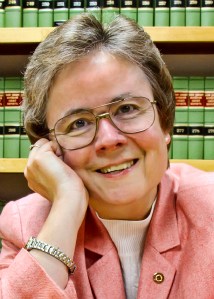
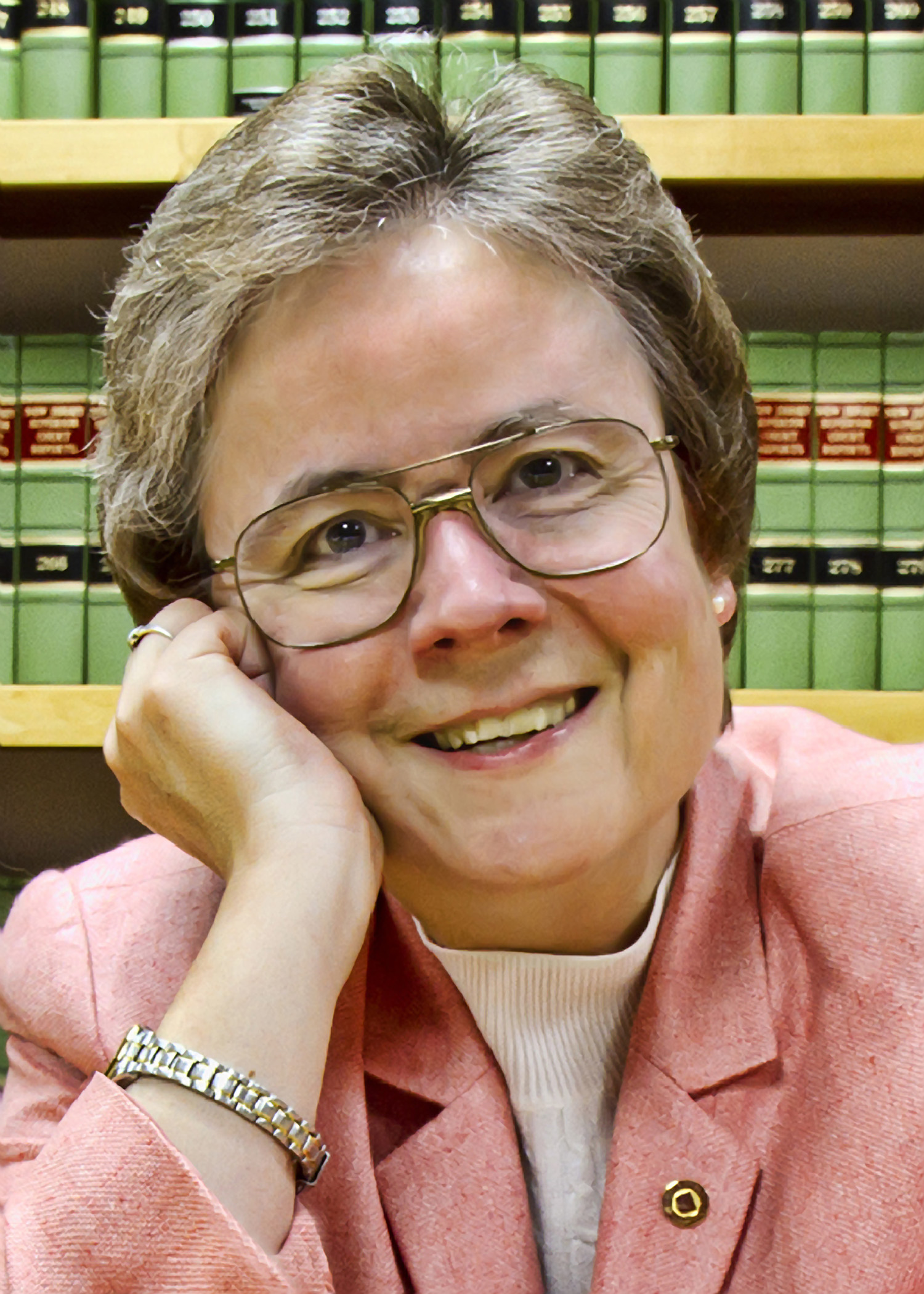
I have the privilege of interviewing Judy Russell, one of the keynote speakers at NERGC. I knew who she was long before I had the chance to meet her and listen to her speak. You may know her as a legal expert who uses that expertise to bridge the past and add historical context to her ancestors, and teaches us to do the same. You may also know her as a DNA expert. I know her as a fellow social historian/genealogist and look forward to meeting her again.

I met her in person at the Massachusetts Genealogical Council annual meeting a couple of years ago. One of her talks involved a murder case in the 1800s based on a new form (at the time) of medicine and potential medical malpractice. Since medicine in everyday life is one of my special interests (and the topic of my master’s thesis) I was hooked.

Here are my questions and her responses. I love how her humor shows through, one of the many reasons she is such a great speaker. I hope that you will come to NERGC to hear her and many other experts cover a variety of topics related to genealogy, and my favorite, bringing our ancestors to live through social history.

1) What sparked your interest in family history, and how did you come to combine law and family history?

My mother’s family is mostly Scots-Irish — that means they’re storytellers. And I grew up sitting out under the trees at my grandparents’ farm listening to the stories. Finally I realized it was time to start seeing whether any of the stories were true! Combining law and family history was simply the natural outgrowth of my formal training as a lawyer and the discovery, as a genealogist, that just about every record we use is impacted by its legal context.

2) How do you find the material and/or interesting cases you use for a blog post or lecture?

First and foremost, I’m a reader: I read books and articles and blog posts and Facebook posts and anything I can get my hands on. Some things are sent by folks who read my blog or who know I have a legal background and need help in understanding a record in their own families; some things I just stumble across. The reality is that every set of records we might ever look at will have its own set of stories — we just need to read to find them.

3) What is your favorite story that you have come across, either from your own family or someone else’s family?

One? One favorite story? For someone with Scots-Irish ancestry? That’s like asking a mother who her favorite child is! I’ve never met a story I didn’t love, and some of them are even true! (Well, at least partially. The other thing about the Scots-Irish is that we never let the truth interfere with a good story.) If I had to pick just one, I’d probably have to say it was the discovery that I qualify for membership in the Daughters of the Republic of Texas. To qualify, you have to be able to prove your ancestor lived in the Republic of Texas. Mine was indicted by the Republic of Texas. For bigamy. (I love my family.)

4) Why is adding social context to family history research so important?

Because without social context family history is just a set of begats: John and Mary begat James. The social context tells us what lives John and Mary led, how they struggled to get where they got, what it was like when James was born. What they wore, what they ate, how they lived. It’s the stories that bring our families to life, and the social context helps us tell those stories.

Buried in Snow

DSCN1959

We have been buried in snow in Boston–receiving 90+ inches of snow since the end of January. We broke all kinds of snowfall records, as well as extreme cold records. Roofs have collapsed, public transportation has failed in an epic manner, and even with modern conveniences such as snowblowers and heat, people in Boston are snow weary.

I have thought a lot about my ancestors and how they dealt with extreme weather. They didn’t have modern conveniences. Elizabeth Shown Mills has pulled together a list of articles on 3 other cold and snowy winters.

In the winter of 1717, so much snow fell in New England that people referred to it for years as the big snow. Puritans even cancelled church for two weeks in a row. Mail was delivered by young boys on horseshoes.

1816 is referred to as the year without summer. Snow fell in Vermont even during the summer. The winters of 1812-1816 were all very cold in New England and was one of the reasons for migration to Ohio.

On the other side of the country, the Northwest experienced 4-6 feet of snow around Puget Sound in 1916.

Boston.com put together a history of snow removal from Boston streets, from the times of carriages and wagons through trains and subways. Like today, people had to get to work, and many would have to walk miles to work in dangerous conditions on those rare occasions when the subway shut down.

How did your ancestors deal with extreme temperatures and precipitation? How did they keep warm, and how did they clear away the snow? Did weather, such as the type experienced in the year without a summer, play a role in the decision to move to more temperate climes?

When words matter

A few days ago, the Royall House and Slave Quarters posted this on their Facebook page: “Language matters…we very intentionally avoid certain terms — master, slave, owned — that we believe falsely describe these people and their relationships. Mastery can be earned, but it can’t be bought. Enslavement is a condition forced upon people, not one that defines them.”

I have thought about this a lot since I first saw the post. What terms do we use that force our ancestors into certain categories? Do we use derogatory terms, without or without know they were offensive, when describing our ancestors?

When I first started researching my Loyalist ancestor Thomas Sumner I posted something on Facebook about my Tory ancestor. While I vaguely knew the term was derogatory, I didn’t really think much about it until one of my Facebook friends firmly but nicely corrected me and told me how proud she was of all her Loyalist ancestors and how in Canada they are heroes. I have never used the term Tory to describe him since then because he deserves so much better than that. He deserves to be described in positive terms.

What terms do you use, or you have used in the past, that should be replaced with more accurate descriptions?


Channeling my Loyalist ancestor

20141225_180551 20141225_180612

20141225_180630

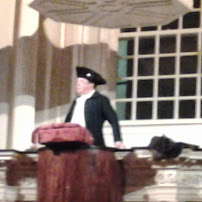
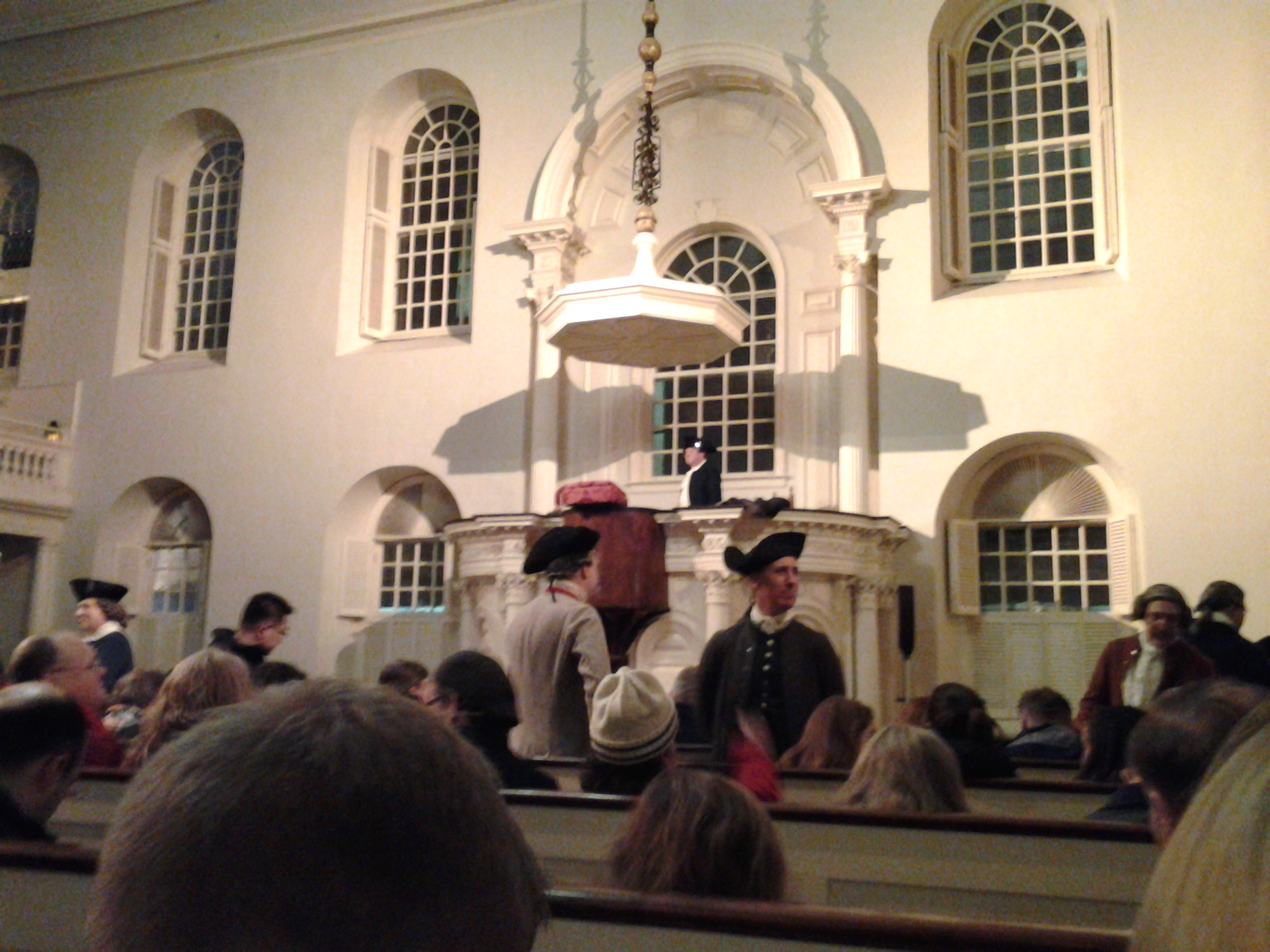
I attended the re-enactment of the Boston Tea Party on Dec 16. We were each given a program with a blue or yellow slip of paper. I later found out that the blue papers represented Loyalist views and the yellow papers represented Patriot views. I had been thinking of my Loyalist ancestor Thomas Sumner, so was happy to have a blue piece of paper.

20141216_184545

The first part of the re-enactment was dialogue between actors about how to handle the tea on the ships. If you agreed you shouted “hear, hear” or “huzzah”. If you disagreed, you shouted “fie, fie” or “boo”. Most of the people around me were Patriots, but I stuck to my Loyalist part and, all in good fun and with lots of smiles, always shouted the opposite of my pew mates.

I was trying to put on Thomas’s shoes and try to think what he would have though. It certainly wouldn’t have been in good fun for him to be in opposition to his neighbors. As far as I know, he wasn’t in Boston, but he and his family were driven out of their home in Vermont and lost all their property to the Patriots. His views would have been sincere. He was a judge, and perhaps the oaths he had taken and  his occupation that involved upholding the law every day influenced his decisions. I doubt that it was an easy thought process though. Many Loyalists saw many problems with the king and Parliament, but in spite of that, retained their loyalty. All these thoughts crossed my mind as I shouted “fie, fie” or “hear, hear”.

FB_IMG_1418772770851

When the floor was opened up to us, I was the very first person at the mic to say my part. “Like all Englishmen we are universally represented in Parliament. The Patriots must stop complaining that we do not have a voice in England.” I wanted to do this to honor Thomas, who is not well known in my family, compared to our Patriot ancestors. Throughout the night I posted on Facebook as if I was a Loyalist.

As we left the meetinghouse and marched to the harbor behind a fife and drum corps (fun but not authentic), I continued thinking of what Thomas would have thought if he had been there. Would he have even gone to the harbor? Would he have tried to stop the ship raid? Since he wasn’t there, what did he think when he heard the news?

20141216_195049

As I watched the Patriots throwing the tea into the harbor, the part of me that was channeling Thomas thought “you bloody fools!”. While perhaps nobody could know what would happen only 15 months later in Lexington and Concord, many feared that this would happen. Thomas may have been among those.

20141216_202236

This was such a wonderful experience for me to put myself into an ancestors shoes. While I certainly don’t know what he was thinking and feeling, I could make some educated guesses that helped me see a historical event from a different perspective than I had ever seen it before. I am so glad I received that blue paper!